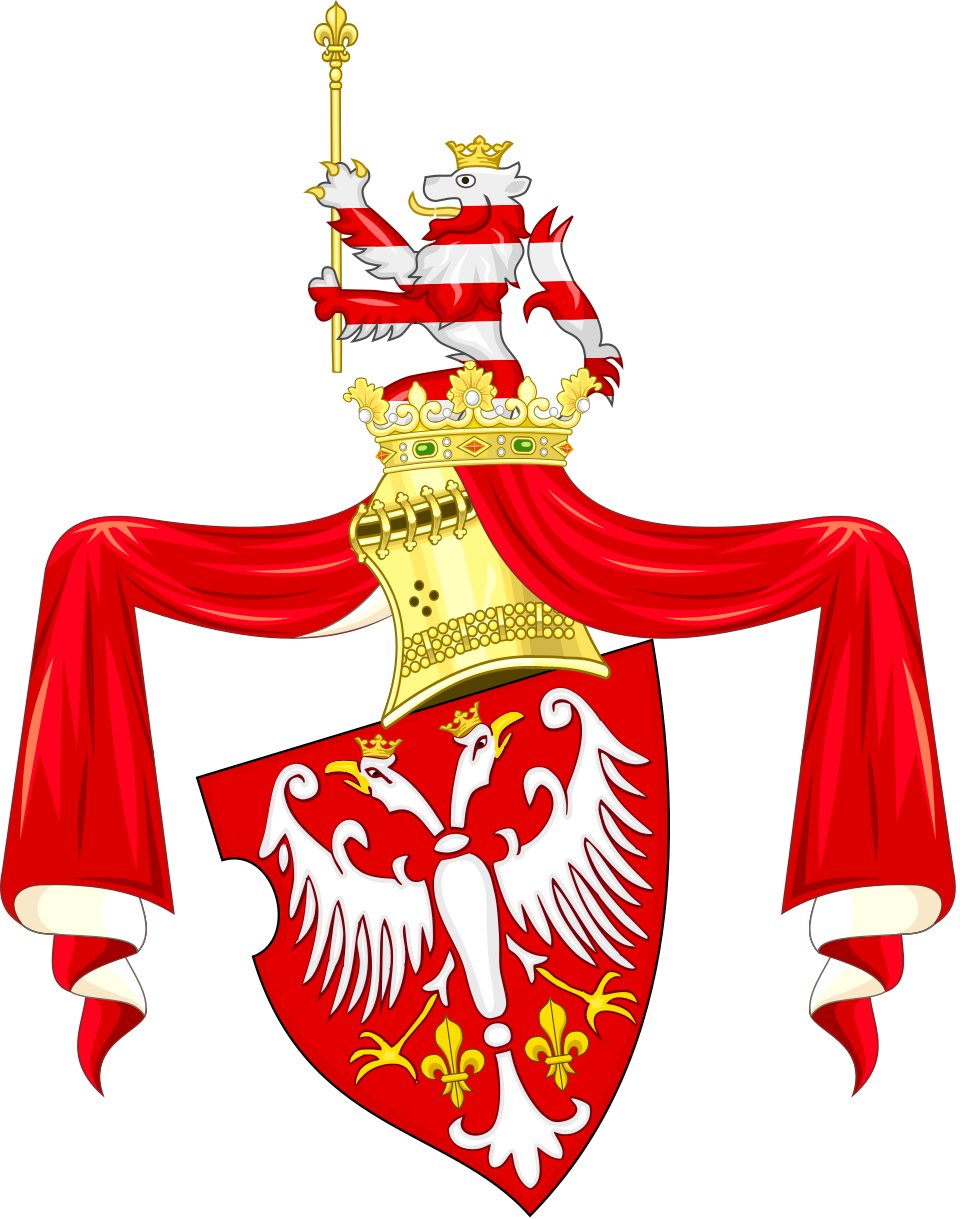
The Orsini Dynasty: Architects of Roman Power, Church, and Territory
Few names resonate through the annals of Roman history with the enduring power and prestige of the Orsini Family. For centuries, this venerable dynasty stood as a colossus in the heart of Italy, deftly navigating the intricate web of papal politics, territorial acquisition, and aristocratic rivalries that defined medieval and early modern Rome. From their humble, yet ancient, origins to their prominent role in shaping the very fabric of the Eternal City and the Catholic Church, the Orsini saga is a compelling testament to ambition, resilience, and the relentless pursuit of influence.
Their story is not merely one of titles and land, but of a family deeply embedded in the historical narrative, providing popes, cardinals, senators, and military leaders who left an indelible mark on Western civilization. To understand Rome is, in many ways, to understand the Orsini Family.
The Ascent: Forging a Dynasty through Papal Power (12th-13th Century)
The Orsini's journey to prominence, while rooted in the shadowy mists of early medieval Rome – with a certain Ursus de Paro recorded in 998 – truly began to accelerate in the late 12th century. The pivotal moment arrived with the election of Giacinto Orsini as Pope Celestine III in 1191. This papal ascension proved to be a watershed for the nascent dynasty, as Celestine III’s strategic "generosity" towards his nephews laid the foundational stones of the family’s vast territorial and financial fortunes. This wasn't just nepotism; it was a calculated move, common for the era, to establish a powerful base for the family that would, in turn, support the papacy.
Over the next century, allegiance to the Holy See became a cornerstone of the Orsini identity – a tradition that proved both firm and incredibly profitable. They became the undisputed leaders of the pro-papal Guelf faction, staunchly opposing the pro-imperial Ghibelline Colonna family. This fierce and often violent rivalry between the Orsini vs. Colonna dominated the political landscape of Rome for centuries, shaping alliances, sparking conflicts, and dictating the ebb and flow of power within the city and its surrounding territories. The strategic importance of aligning with either the Pope or the Holy Roman Emperor cannot be overstated; it was the ultimate power play in medieval Italy.
Their influence wasn't merely religious or political; it extended to military might. In 1241, Senator Matteo Orsini (d. 1246) famously saved Rome from the clutches of Holy Roman Emperor Frederick II and his Colonna allies, showcasing the family's vital role in defending the city. As the 13th century progressed, the Orsini Family cemented its hold on Church policy and administration. Four of its members rose to the esteemed rank of cardinal, and one, Giovanni Orsini, ascended to the papal throne as Pope Nicholas III in 1277. This internal control over the Church hierarchy gave them unparalleled leverage and further fueled their expansion. Their Guelf loyalty also opened doors to significant land and lordships in the Angevin kingdom of Naples, establishing enduring branches of the family among the Neapolitan nobility. At the close of the 13th century, their unwavering support for Pope Boniface VIII in his campaigns against the Colonna earned them valuable rewards, including the grant of Nepi in fee, further solidifying their territorial empire.
Navigating the Currents of Roman Power: Popes, Princes, and Persistence
While the Orsini Family largely championed the papacy, their history is far from monolithic. Dynastic interests and political pragmatism sometimes led individual members down different paths. A notable example is Napoleone Cardinal Orsini, who, partly due to internal family considerations, defied tradition by siding with the Colonna and the French. His influence was instrumental in promoting the election of the French Pope Clement V in 1305, initiating the tumultuous period of the "Popes of Avignon." This episode illustrates the complex internal dynamics of powerful families, where individual ambitions and shifting loyalties could alter the course of history.
The Orsini's dominance, though formidable, was not without its challenges. The late 15th and early 16th centuries saw a significant, albeit brief, disruption during the ruthless Borgia rule. Alexander VI Borgia, intent on consolidating his own family's power, dispossessed the Orsini of many of their castles and tragically put three prominent members to death. Yet, this period of brutal suppression only underscores the Orsini's remarkable resilience. They bounced back, regaining their formidable position among the Roman aristocracy, continuing to supply the Church and state with distinguished soldiers, statesmen, and prelates. This ability to weather severe storms and reclaim their status is a testament to their deep roots, extensive networks, and strategic acumen.
The family's prestige continued to grow, earning them imperial recognition. In 1629, they were granted the esteemed title of Princes of the Holy Roman Empire, and in 1718, they were elevated to princely dignity within Rome itself. Their connection to the highest echelons of the Church also remained unbroken, culminating in another papal election when Pietro Francesco Orsini became Pope Benedict XIII in 1724. This consistent presence at the very apex of spiritual and temporal power is a defining characteristic of the Orsini Family: Centuries of Popes, Power, and Roman Legacy.
Practical Insights into Dynastic Survival:
- Diversify Power Bases: The Orsini didn't just rely on the Church; they held senatorial positions, military commands, and secular lordships.
- Strategic Alliances: While their rivalry with the Colonna is famous, temporary alliances (like Napoleone Cardinal Orsini's) show flexibility.
- Territorial Control: Land equaled power and resources, providing a stable foundation even during political upheavals.
- Integration into Institutions: Consistently placing family members in key Church and state roles ensured long-term influence.
- Adaptability: Surviving the Borgia era and major political shifts required an ability to rebuild and adjust strategies.
Endurance and Legacy: The Enduring Influence of the Orsini Dynasty
The Orsini Family lineage has endured through various branches, most notably the Orsini dukes of Gravina. This line, descended from Napoleone Orsini (son of the 13th-century senator Matteo), held significant sway for centuries. Their primary fiefs included Bracciano, near Rome, acquired in the 14th century, and Gravina, near Bari, secured in the 15th century. These strategically important territories provided both wealth and military strength. In 1560, they received the ducal title from Pope Pius IV, further cementing their aristocratic standing. They retained control of Bracciano well into the 17th century and Gravina until 1807, demonstrating remarkable longevity in a constantly shifting political landscape.
Even after the decline of their vast territorial holdings, the Orsini maintained a symbolic and influential presence in Rome. From the 16th century onwards, it became a regular honor for an Orsini to hold the prestigious office of prince assistant to the pontifical throne. This hereditary role, though ceremonial, signified their unbroken connection to the Papacy and their enduring status as one of Rome's preeminent noble families. The very landscape of Rome and its environs bears the imprint of the Orsini, from their imposing castles to their grand palaces, each structure telling a story of power, art, and the intricate dance between family ambition and historical currents.
Conclusion
The Orsini Family represents the epitome of a powerful Roman dynasty, whose influence stretched across millennia and permeated every facet of Italian life. Their story is a captivating narrative of strategic alliances, political maneuvering, fierce rivalries, and an unwavering commitment to dynastic survival. From providing multiple popes and cardinals to leading armies and shaping territories, the Orsini left an indelible mark on the Catholic Church and the geopolitical landscape of Italy. Their legacy is a testament to the enduring power of family, the complex dynamics of Roman politics, and the relentless pursuit of influence that defined one of the most illustrious dynasties in European history.